Research
Keywords: microwave engineering, millimeter-wave engineering, high-frequency measurement engineering
- Microwave engineering
- Millimeter-wave engineering
- High-frequency measurement
- Passive circuits
- Material characterization
Background
Next-generation wireless technologies such as IoT and 5G/6G require a wide range of component technologies spanning the microwave to millimeter-wave/sub-THz bands (roughly 1 GHz to 300 GHz). Our lab works on both sides of this challenge: developing techniques to precisely characterize new materials for next-generation wireless devices, and designing low-loss circuits in the millimeter-wave band.
Material Measurement Techniques for Microwave/Millimeter-Wave Bands
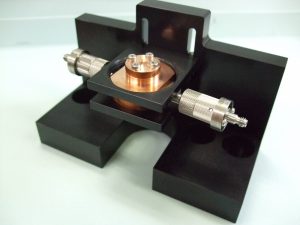
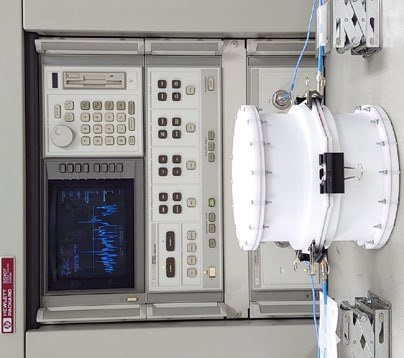
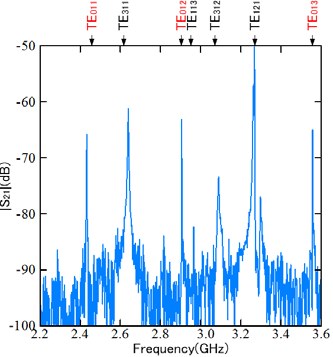
We work on establishing high-precision material measurement techniques based on resonance phenomena, covering everything from fundamental measurement theory to uncertainty evaluation — knowledge that is valuable across a wide range of fields. Through joint research with material manufacturers, we aim to contribute to the development of new materials.
Microwave/Millimeter-Wave Passive Circuits
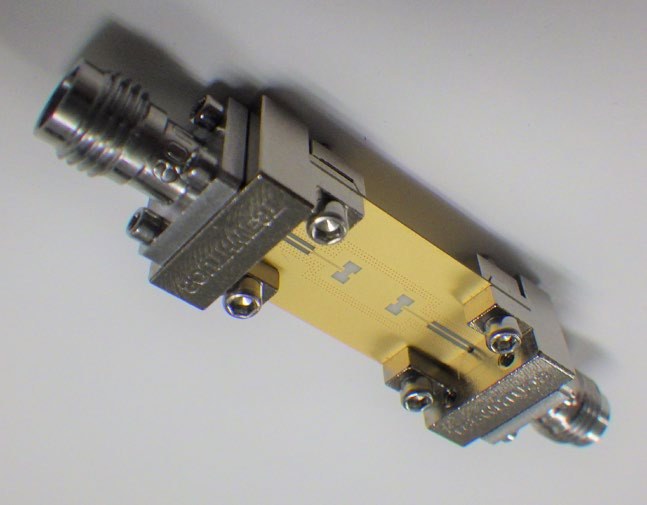
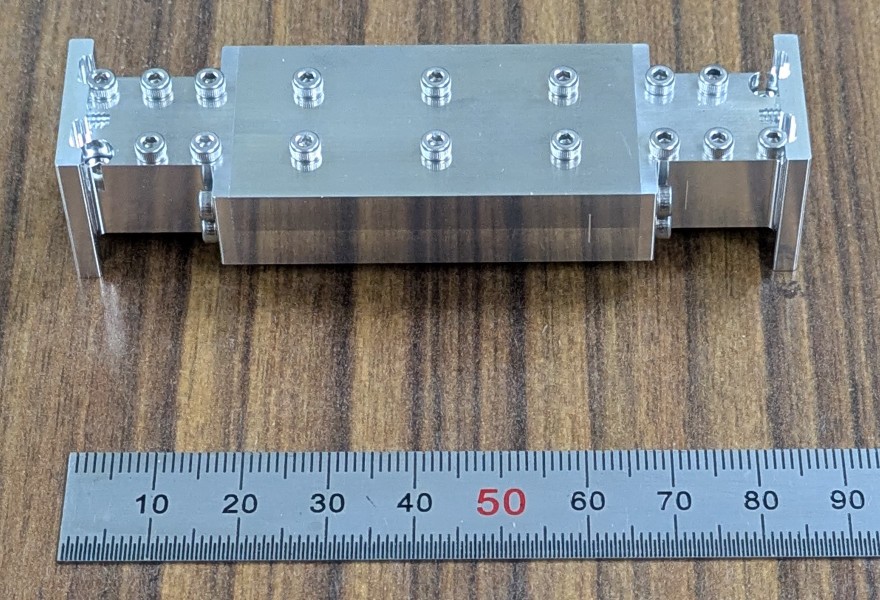
We research low-loss millimeter-wave transmission lines, ultra-low-loss millimeter-wave circuits using superconducting technology, and high-frequency circuits fabricated with additive manufacturing — all aimed at contributing to IoT and 5G/6G communication technologies.
Current Research Examples
High-precision measurement of dielectric materials in the millimeter-wave/sub-THz bands
Establishing resonator-based complex permittivity measurement methods, and evaluating new materials through joint research with material manufacturers
Material characterization under controlled temperature and humidity
Evaluating high-frequency material properties under conditions close to real-world use, with temperature/humidity chambers and related equipment
Low-loss waveguides and passive circuits in the millimeter-wave/sub-THz bands
Designing bandpass filters and transmission lines in the millimeter-wave/sub-THz bands, including waffle-iron ridge guide (WRG) technology
Low-cost high-frequency measurement using 3D printing and more
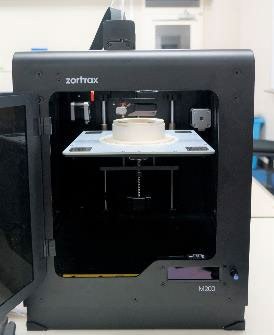
Developing affordable, lightweight material measurement systems using additive manufacturing and DIY-type instruments
Research Themes Related to the SDGs
Ultra-Low-Loss Superconducting Devices for Next-Generation Wireless Communication
Next-generation systems such as 5G/6G require use of the millimeter-wave band, where circuit losses — and therefore the power consumption of wireless systems — tend to increase. We have developed relatively low-loss millimeter-wave devices, but further improvement is needed. Achieving truly low-loss millimeter-wave devices requires superconductors, whose losses become nearly zero at cryogenic temperatures. Developing ultra-low-loss millimeter-wave superconducting devices will help reduce overall system power consumption and, in turn, CO2 emissions.
A Low-Cost, Low-Frequency Microwave Measurement System for Dielectric Substrates
Building a sustainable society calls for the rapid development of diverse wireless devices using IoT technology. This requires that anyone, anywhere, be able to easily evaluate the material constants of the dielectric substrates these devices depend on. We are turning what was traditionally an extremely expensive and heavy low-frequency microwave measurement system into an affordable, lightweight one, using additive manufacturing and DIY-type instruments — contributing to wireless device and new material development.
Learning Through Making, with Additive Manufacturing and High-Frequency Circuits
As devices grow more sophisticated, PC-based simulation has become the dominant design approach — leaving fewer chances to experience the joy of making something with one's own hands. We believe that experiencing the whole process, from design through fabrication, builds genuine engineers through real, hands-on discovery. Using additive manufacturing technologies such as 3D printing and printed electronics (PE), we provide an environment where students can go from design to fabrication quickly and independently, developing into responsible engineers.
Major Research Equipment
Electromagnetic field simulators (for circuit design, etc.)
- Ansys HFSS — 1 unit
- COMSOL Multiphysics — 1 unit
- Murata Software Femtet — 4 units, and more
Network analyzers (for evaluating circuit and material properties; some shared)
- Vector network analyzers — 2 units
- Scalar network analyzers — 3 units
Other equipment (some shared)
- High-precision temperature/humidity chamber, humidity tester, environmental testers ×2, cryogenic tester, high-temperature tester
- Probe station, anti-vibration table, stereo microscope, various micro-positioning stages, in-house circuit simulator
Fabrication equipment
- 3D printers: Zortrax M200 / Zortrax M300
- Desktop CNC mill: Original Mind KitMill RZ420
- PCB cutter, ultrasonic drill, soldering station
You can see this equipment in person during a lab visit.